
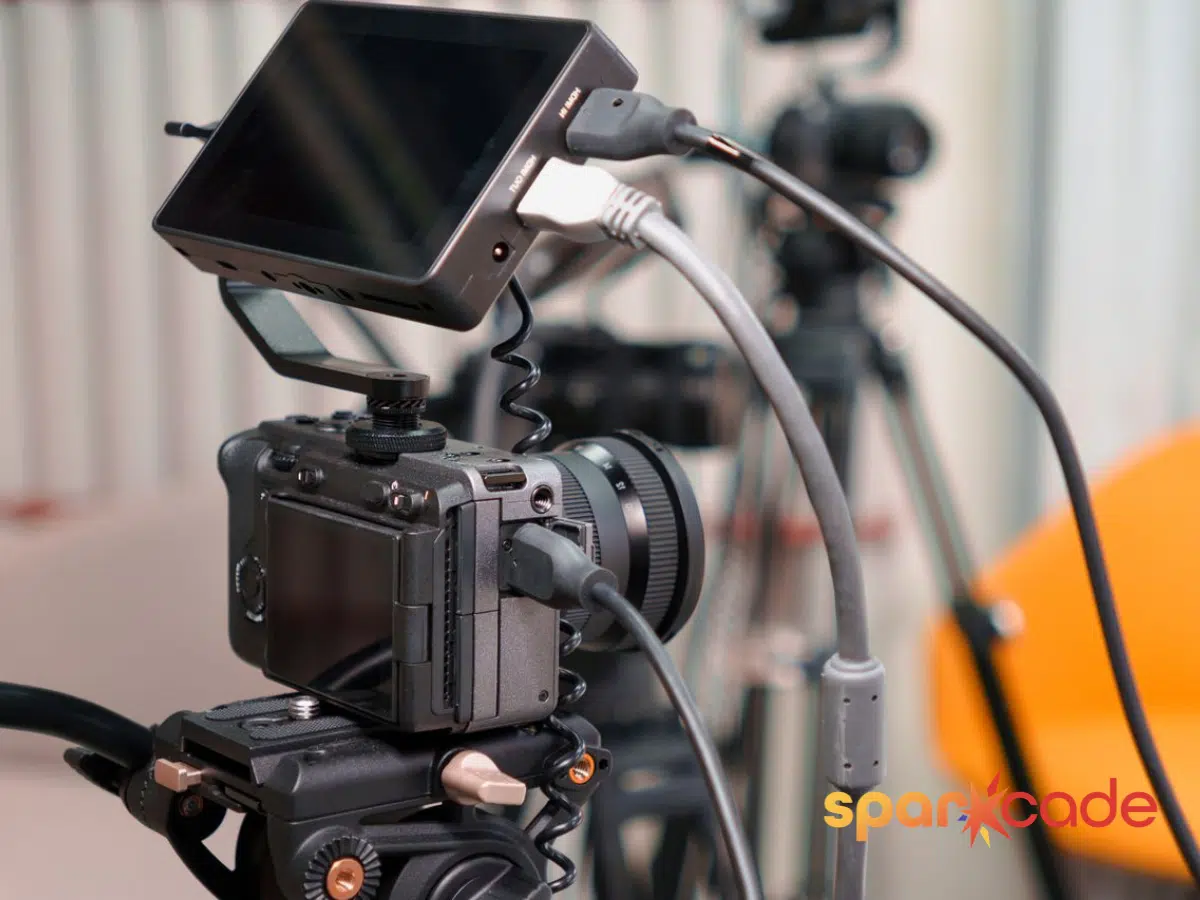
If you’ve been paying attention to the podcasting world lately, you’ve probably noticed that it looks a lot more like TV than it used to. Interviews filmed in studios, clips going viral on Instagram and TikTok, YouTube becoming the go-to place where millions of people “listen” to their favorite shows … often without ever putting in earbuds.
Apple’s move to open video podcasting to all creators on Acast is another sign of how quickly the format is evolving. For brands, it also raises a bigger question: What does showing up in podcasting look like as audio and video continue to blur?
Why Podcasting Is Bigger — and More Valuable — Than Ever Before
Over the years, podcasting has evolved into one of the most significant media channels in the country. About 80% of Americans — roughly 230 million people — have now listened to or watched a podcast, an all-time high. About 58% of Americans 12 and older listened to a podcast in the past month as of early 2026, also an all-time high, and 45% listen weekly.
And the advertising dollars being poured into podcasting reflects that reach. IAB reported $2.9 billion in U.S. podcast advertising revenue for 2025, a 17.6% increase from the prior year. In fact, 76% of weekly podcast consumers said they had taken action after hearing a podcast ad. That last number is one brands should be paying attention to.
But the even more interesting shift is how people are consuming all those podcasts.
How Video Podcasting Is Changing the Way People … Listen
YouTube is now the dominant podcast platform by usage, with 40% of podcast consumers reporting YouTube as their primary podcast app. But even on YouTube, a significant share of that listening still happens without video. Despite the trend of podcasts becoming more visual, audio remains a core part of how people are consuming them.
However, more than half of YouTube podcast viewers also listen on other platforms, suggesting that video adds new consumers rather than replacing audio ones. People move between the two depending on where they are and what they’re doing — commuting with earbuds, watching at home on a TV, catching clips on their phone during lunch. Podcasts now travel with people across screens, speakers, and situations, with audio and video as different entry points into the same content.
Making video on Apple Podcasts available to all Acast creators is Apple’s clearest acknowledgment yet of where podcasting has gone. YouTube and Spotify have spent years investing in video while Apple Podcasts remained largely centered on audio. Now Apple is adapting to an audience that already moves easily between watching and listening, giving creators another major platform where both can live.
What Does This Mean for Podcast Creators?
For creators, the biggest takeaway is that video podcasting gives a show more places to live than the audio feed alone. Video can open up new ways for people to discover a show, whether that’s through Apple Podcasts, YouTube, social clips, or other platforms.
That doesn’t mean every show suddenly needs a full video setup. For some podcasts, adding video may be as simple as recording the conversation that’s already happening. For others, it may not add much at all.
Acast’s early results suggest there can be a real upside. According to data in Acast’s announcement, shows that added video during its beta saw about a 25% increase in weekly sessions on Apple Podcasts over the first four months. That won’t make video the right choice for every creator, but it does show what can happen when a show gives audiences more ways to find and consume it.
But format still matters. A highly visual interview show may benefit from video in ways that an immersive narrative series or ambient audio show won’t. The decision should come down to the show itself, the audience, and whether video actually adds something useful.
What Does This Mean for Brands?
For brands, the opportunity is broader than traditional podcast ads.
One of podcasting’s biggest strengths has always been the relationship between hosts and their audiences. People come back to the same shows week after week, and that familiarity can make a host recommendation feel more credible than a standard ad placement. Among weekly podcast consumers, hosts are twice as influential as social media creators.
Video podcasting gives brands more ways to build on that relationship. A sponsorship can now live in the full episode, in a video segment, or in clips that continue circulating on YouTube and social platforms after the episode is published. The value of a podcast partnership starts to extend beyond the original listen.
That also makes the channel relevant to a wider range of advertisers. Small and mid-sized businesses now make up more than 38% of podcast ad buyers, showing that podcast advertising is no longer limited to brands with large media budgets. As video becomes easier to distribute across platforms, more brands will be competing for the same audiences — and the strongest opportunities will likely come from partnerships that feel natural to the show rather than ads simply dropped into it.
Where Is Your Podcast Going From Here?
Apple’s move makes one thing harder to ignore: video podcasting is becoming part of the standard podcast playbook.
That doesn’t mean every show needs to become a video show. It does mean creators and brands should be thinking about how a podcast can work beyond the audio feed — especially as more platforms make video easier to publish and discover.
If you’re figuring out whether video makes sense for your podcast, how to build it into your content strategy, or where to start, that’s where Sparkcade can help. We work with brands and creators across the full podcasting process (including video podcasting), from concept and format to production and distribution.
Leave A Comment